
GPT, Claude, Gemini, Bing, Llama, Pi and etc., let’s set aside these famous tools for a moment. While they have dominated discussions recently, the reality is that AI has evolved into a highly specialized domain. Numerous companies have developed distinct models, each designed for specific applications.
The number of these models has grown to the extent that providing a comprehensive list is nearly impossible. However, today I intend to introduce a selection of models that are contributing to R&D field, enhancing both the speed and efficiency of teams.
AI is reshaping the world of research and development, offering professionals new ways to innovate and work more efficiently. By processing large amounts of data faster and deeper, automating repetitive tasks with easier controls, and making nearly accurate predictions, AI tools are becoming essential for R&D teams who want to remain competitive. These tools not only speed up research but also offer deeper insights, helping researchers tackle complex challenges and explore new ideas. In this article, I’ll look at some of the key AI tools available to R&D professionals and how they’re helping to drive innovation in various fields.
Yet I should mention that for brainstorming, generating/developing ideas, or even engaging in discussions on various topics, those aforementioned tools still provide significant assistance.
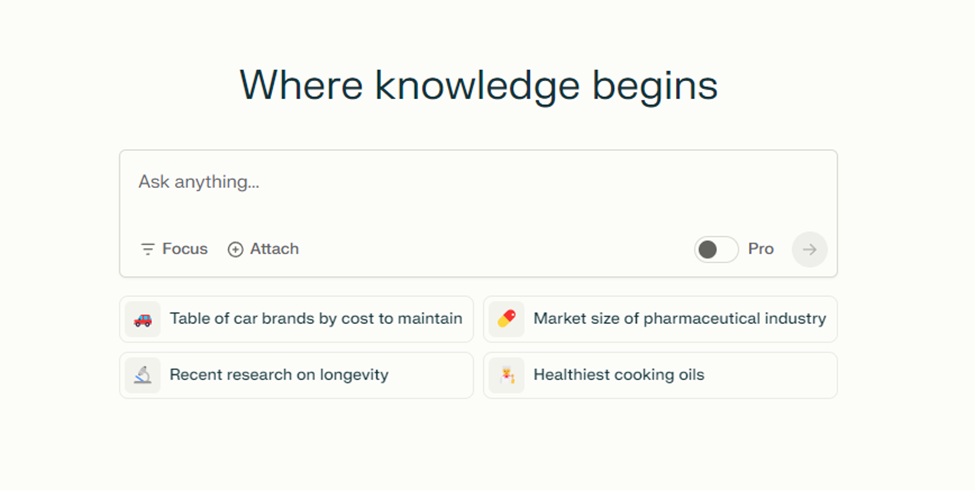
Perplexity
A search engine that gives precise answers to complex questions
Perplexity AI is an AI-powered search engine designed based on OpenAI’s GPT model to provide users with concise, accurate answers to their queries. Unlike traditional search engines that present a list of links, Perplexity delivers synthesized information in a natural language format, complete with citations and follow-up suggestions for more refined searches.
Julius
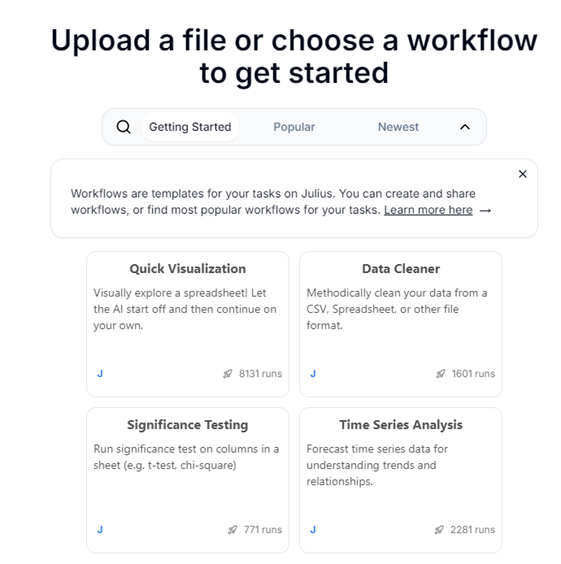
An expert who simplifies data analysis and visualization (CSV and Excel). Let Julius analyze, clean up or create dynamic animations
Julius AI is a powerful AI-powered data analysis and visualization tool that helps users extract insights from their data without the need for coding. It offers a user-friendly interface and a range of features designed to simplify the data analysis process.
Consensus
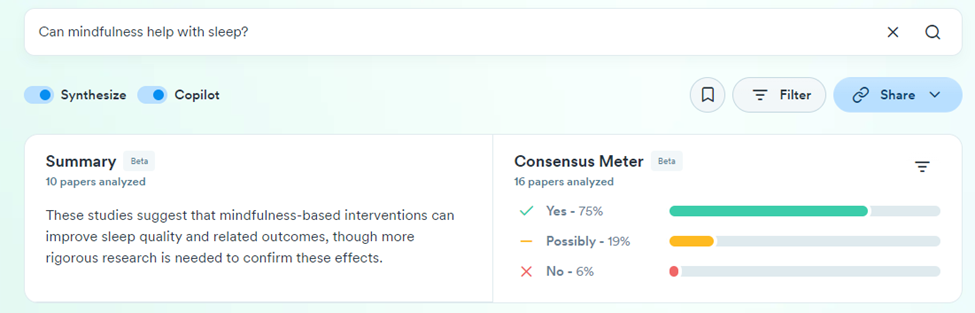
Get deep insight into scientific research from an AI-powered search engine
Consensus AI is an AI-powered academic search engine designed to help researchers, students, and professionals find and understand scientific literature more efficiently. It leverages large language models and advanced search algorithms to provide concise, evidence-based answers to queries by synthesizing information from relevant research papers. By providing fast, accurate, and evidence-based information, Consensus AI helps users make more informed decisions, support their work with credible sources, and gain insights into complex scientific topics more efficiently than traditional search engines or manual literature reviews.
CoolMindMaps
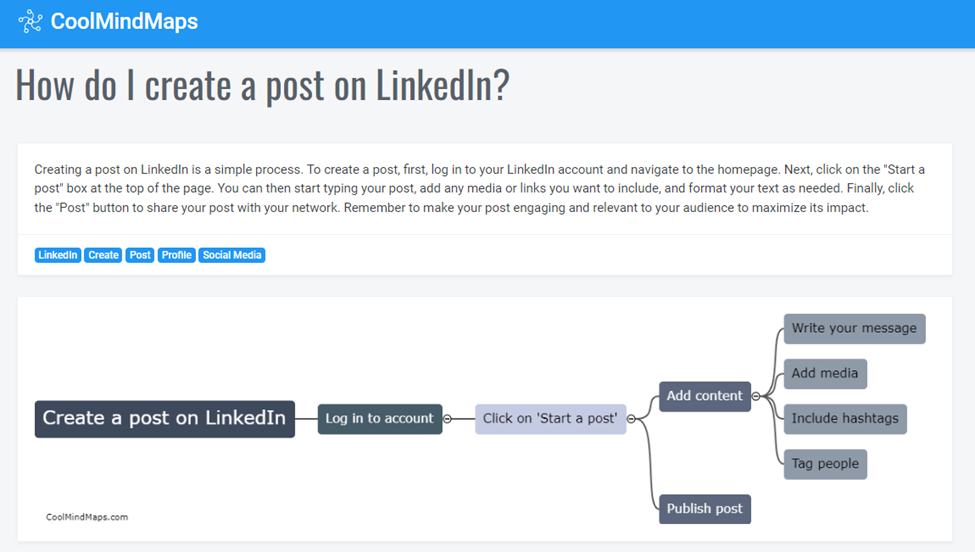
Easily search and generate mind maps on any subject with the help of AI
CoolMindMaps is an innovative AI tool designed for creating and searching mind maps on various topics. It offers features that facilitate efficient knowledge exploration and organization of ideas.
It is ideal for structuring thoughts and concepts effectively, useful for outlining project details and timelines, providing supports for researchers in visualizing and understanding complex subjects. Overall, CoolMindMaps serves as a valuable resource for researchers and anyone interested in visualizing and organizing information efficiently.
Chat.portal.so
Extract whatever needed from documents
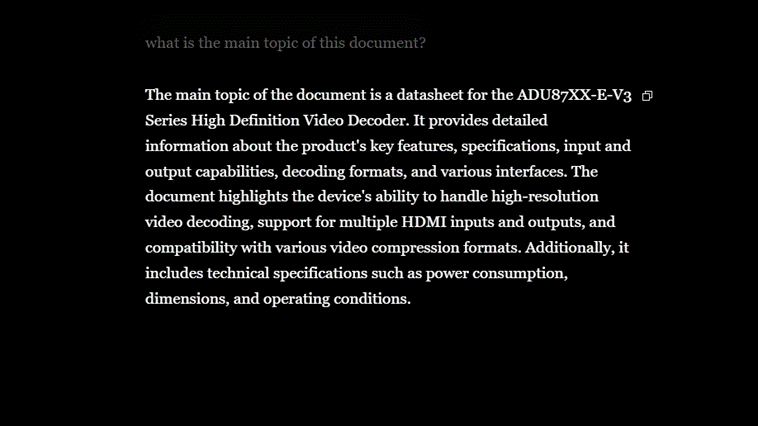
Also known as Portal Chat, is an interactive platform that allows users to engage with large language models and utilize various AI-driven features. It enables users to upload documents and ask questions regarding the contents of that and also search the web for answers while providing cited sources for the information retrieved.
laion
Unleashing research related to machine learning and data optimization (ecological)
LAION, which stands for Large-scale Artificial Intelligence Open Network, is a German non-profit organization dedicated to providing open-source artificial intelligence models and datasets. It aims to democratize access to machine learning resources and datasets.
Asklegal
Get instant, personalized legal answers to clarify your legal issues in complete confidentiality
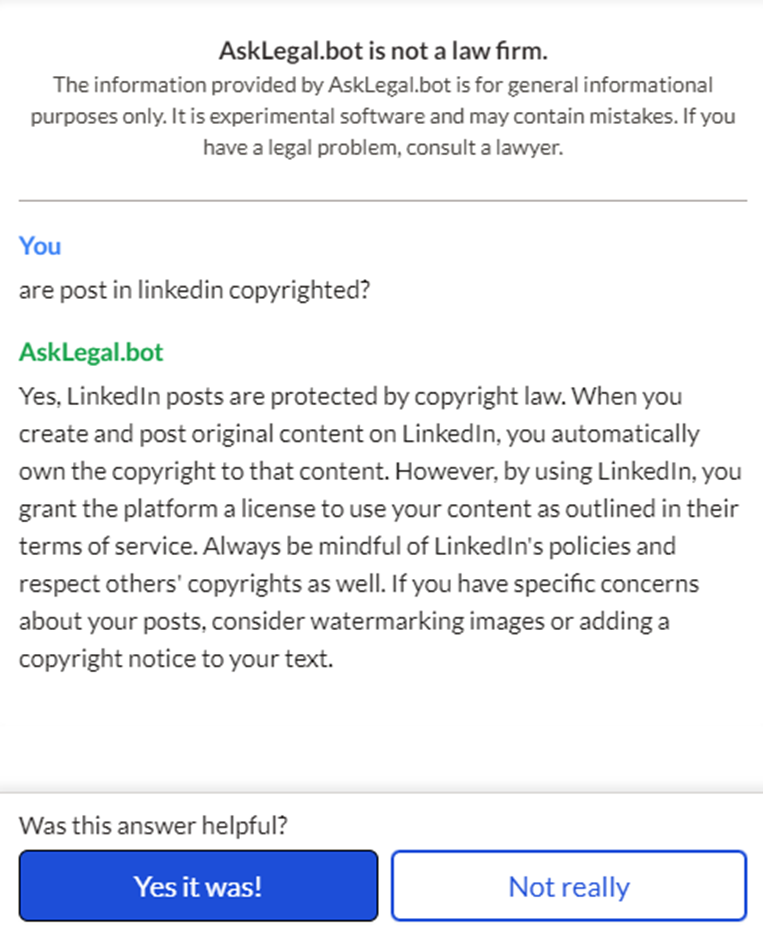
AskLegal.bot is an AI-powered tool that provides quick, free, and confidential answers to legal questions. It provides immediate clarification on legal matters without the initial cost of hiring an attorney. It is useful for getting a preliminary understanding of legal situations and knowing rights and next steps.
Final word
The tools I’ve explored show how AI can simplify tasks, reveal new insights, and help researchers explore uncharted territory and lead managers to better knowledge management. For R&D professionals, adopting these technologies is becoming essential to stay competitive and innovative in an ever-changing landscape. By incorporating AI into their work, R&D teams can speed up their efforts and open up new possibilities for discovery, ensuring they stay ahead in the field of innovation.
There are many other AI tools beyond those mentioned above. It was not my intention to provide a complete list of all available tools; rather, I aimed to introduce those that are particularly helpful for R&D professionals as examples. It is likely that, in the course of different projects, other tools may prove more useful.
I would like to express my gratitude to “Perplexity AI” for almost authoring this article and to “AIxploria” for providing the concise one-line descriptions. That index includes a variety of other tools for your reference.